
Is Devanahalli Worth Investing in 2026? A Practical Buyer’s Guide
The short answer
Devanahalli can still be considered for long-term property investment, but airport proximity alone is no longer a sufficient reason to buy. The strongest opportunities are likely to be legally clear, well-connected projects near established employment zones and everyday infrastructure—not speculative land promoted mainly through future promises.
| Airport Metro corridor | BMRCL Phase 2B: 38.44 km from KR Puram to Kempegowda International Airport |
|---|---|
| Airport Metro stations | 16 elevated stations and 1 underground station in the official corridor plan |
| Employment ecosystem | Aerospace, defence, electronics and manufacturing activity in Bengaluru Rural |
| Investment profile | Better suited to patient, long-term buyers than short-term speculation |
| Essential checks | Karnataka RERA, title, encumbrances, planning approval and access road |
Short answer: Devanahalli can still be considered for long-term property investment, but airport proximity alone is no longer a sufficient reason to buy. The strongest opportunities are likely to be legally clear, well-connected projects near established employment zones and everyday infrastructure—not speculative land promoted mainly through future promises.
Why Devanahalli continues to attract buyers
Devanahalli’s growth story is supported by more than Kempegowda International Airport. The wider North Bengaluru region includes aerospace, defence, electronics and manufacturing activity that could gradually create employment and housing demand.
The Karnataka government’s Invest Karnataka portal identifies the Devanahalli Aerospace and Defence Park as an important part of the state’s industrial ecosystem. Its Bengaluru Rural profile also lists ongoing investments associated with companies such as Foxconn and Exide Energy.
This employment potential matters more to residential property values than the airport by itself. Sustainable appreciation normally requires people who want to live, work and spend in the area—not only investors purchasing plots in anticipation of future development.
What the Airport Metro changes
BMRCL’s Phase 2B corridor is planned between KR Puram and Kempegowda International Airport. Official BMRCL material describes it as a 38.44-kilometre corridor with 16 elevated stations and one underground station.
Once operational, the line should improve access between the airport corridor and major employment areas of Bengaluru. However, buyers should not assume that every property marketed as “near the Airport Metro” will offer convenient access.
Before purchasing, verify the actual distance from the project entrance to the nearest confirmed station. Also consider the approach road, peak-hour travel time and last-mile transport. Construction schedules can change, so investment calculations should not depend on a promised opening date alone.
Featured in Buying Guides
 lodha-sadahalli
Bengaluru
From ₹3.10 Cr*
lodha-sadahalli
Bengaluru
From ₹3.10 Cr*
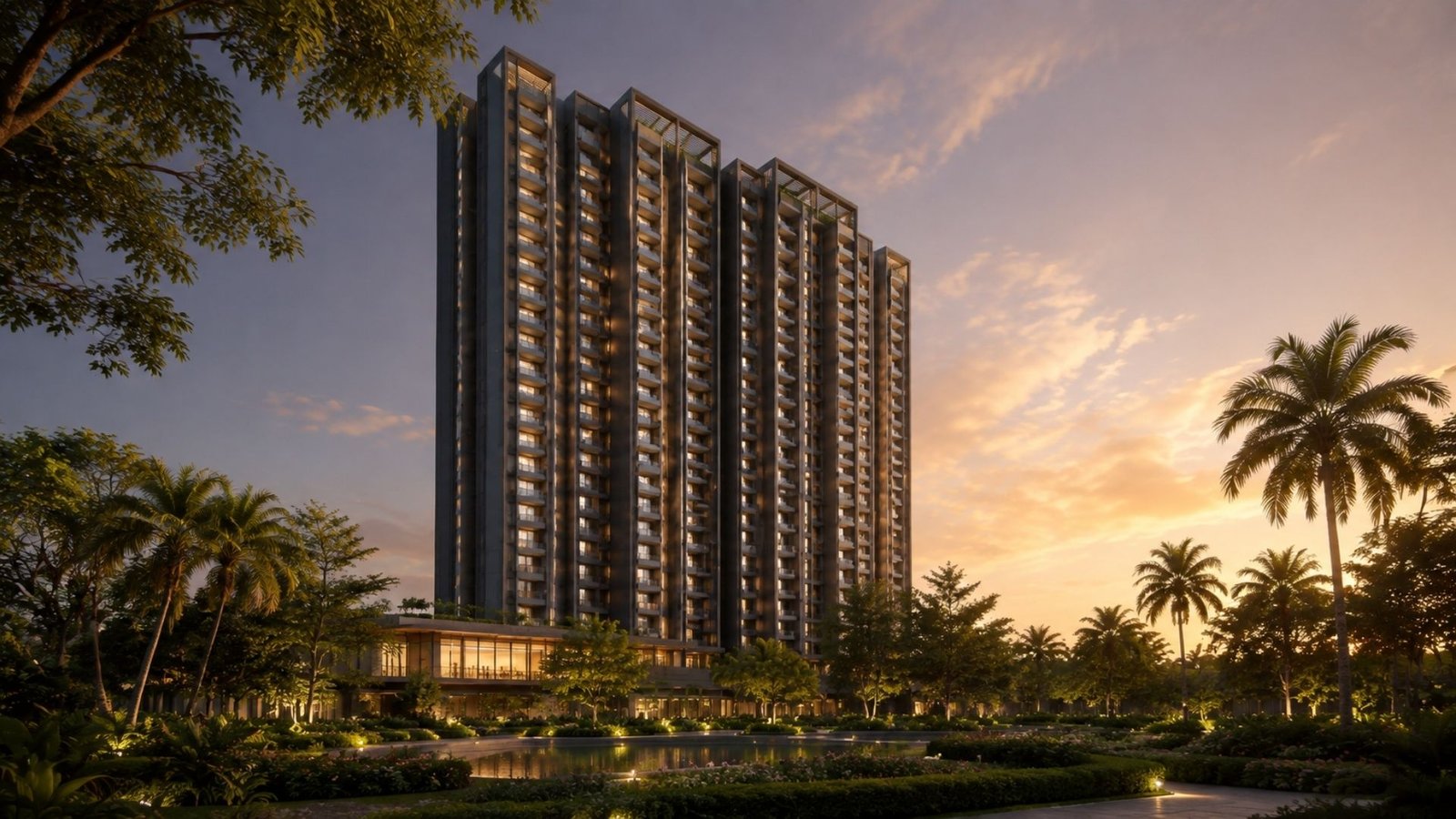 Assetz Codename Summit
Gummanahalli, Bagaluru, North Bengaluru
From ₹1.6 Cr*
Assetz Codename Summit
Gummanahalli, Bagaluru, North Bengaluru
From ₹1.6 Cr*
 brigade wtc 2
Devanahalli, KIADB Aerospace Park Phase 2, Bengaluru 562165
From ₹0.65 Cr*
View all projects →
brigade wtc 2
Devanahalli, KIADB Aerospace Park Phase 2, Bengaluru 562165
From ₹0.65 Cr*
View all projects →Has the airport already been priced in
Airport-related expectations have influenced Devanahalli property marketing for years. This means buyers must compare the asking price with the project’s present-day advantages rather than paying entirely for projected growth.
A higher price may be justified when a project has clear approvals, reliable roads, occupied neighbourhoods, access to schools and healthcare, and a credible developer. A remote property with uncertain infrastructure should not command the same valuation merely because it falls within the broader Devanahalli region.
Who should consider buying
Devanahalli may suit buyers with a long holding period and professionals connected to the airport, aerospace or North Bengaluru employment belt. It can also work for end users who are comfortable with the area’s current level of social infrastructure.
It may be less suitable for buyers expecting immediate rental income, rapid resale or a short-term price jump from a future announcement.
Before paying a booking amount, verify the project on Karnataka RERA, review the title and encumbrance records through an independent property lawyer, confirm planning approvals and compare completed transactions where possible. For plotted developments, the land conversion, layout approval, access road and exact survey boundaries require particular attention.
Key House view: Devanahalli still has long-term potential, but 2026 buyers should choose projects based on legal clarity, employment connectivity and liveability. The location remains promising; that does not make every project within it a good investment.
Sources
Find the right home in 60 seconds.
Seven quick questions. Zero brokerage. A RERA-registered advisor — not a call centre — calls you back within 30 minutes.
Get My Shortlist →Frequently asked
Is Devanahalli good for property investment in 2026?
It may be suitable for long-term investors, provided the project has clear approvals, practical connectivity and a defensible purchase price.
Will the Airport Metro increase Devanahalli property prices?
Improved connectivity can support demand, but its effect will vary by station access, project quality, surrounding employment and existing valuation.
Are plots or apartments better in Devanahalli?
Apartments may offer clearer end-use and rental potential in established communities. Plots require more detailed title, conversion, layout and boundary verification.
What should buyers verify before purchasing?
Check Karnataka RERA registration, title documents, encumbrances, planning approval, access roads, construction status and the developer’s delivery record.