
Leverage and reality in Bengaluru real estate: a corrected view
The short answer
Leverage can magnify returns, but the common ‘10% down and 90% loan’ example is usually not permitted and underestimates interest, taxes and transaction costs. Using realistic RBI LTV limits and typical loan rates, a ₹1 crore buy-sell that rises to ₹1.5 crore in 4 years can double equity (≈22% p.a.), not quadruple it. This is analysis from the Key House Research Desk.
| RBI/HFC LTV limits | ≤₹30L: up to 90%; ₹30–75L: 80%; >₹75L: 75% (applicable to many housing loans). |
|---|---|
| Typical home loan rates (2026) | Floating home‑loan rates for prime borrowers approximately 7–9% p.a. depending on lender and profile. |
| Bengaluru price movement (H1‑2026) | Knight Frank reported city‑level price growth in single digits with pockets showing higher gains. |
| Bengaluru transaction costs | Stamp duty + registration and cess in Bengaluru often aggregate to ~7–8% of the property value. |
Investment thesis — what investors mean and what they miss
Many investors describe leverage as ‘‘put in little, get big gains’’ — buying a ₹1 crore flat with 10% equity and selling later at a higher price. That logic separates price appreciation (capital gain) from financing cost (interest), but it often ignores realistic lending limits, EMIs, taxes, stamp duty and brokerage that materially change net returns. Recent Bengaluru price moves are strong in pockets but city-wide gains have been more mixed; pockets have seen double-digit growth while broader averages have been single‑digit in H1‑2026. content.knightfrank.com
Verified financing limits and interest
You cannot assume 90% loan on a ₹1 crore purchase. RBI/HFC directions now limit Loan‑to‑Value (LTV): up to 90% for loans ≤₹30 lakh, 80% for loans between ₹30–75 lakh, and 75% for loans >₹75 lakh — so a ₹1 crore purchase normally allows ~75% loan (₹75 lakh), not 90%. littdb.sfo2.cdn.digitaloceanspaces.com Typical floating home‑loan rates in 2026 for well‑rated borrowers have ranged roughly 7–9% depending on bank and credit profile; borrowers should use the lender’s published EBR/EBLR-linked slabs. sbi.co.in
Featured in Market & Prices
 lodha-sadahalli
Bengaluru
From ₹3.10 Cr*
lodha-sadahalli
Bengaluru
From ₹3.10 Cr*
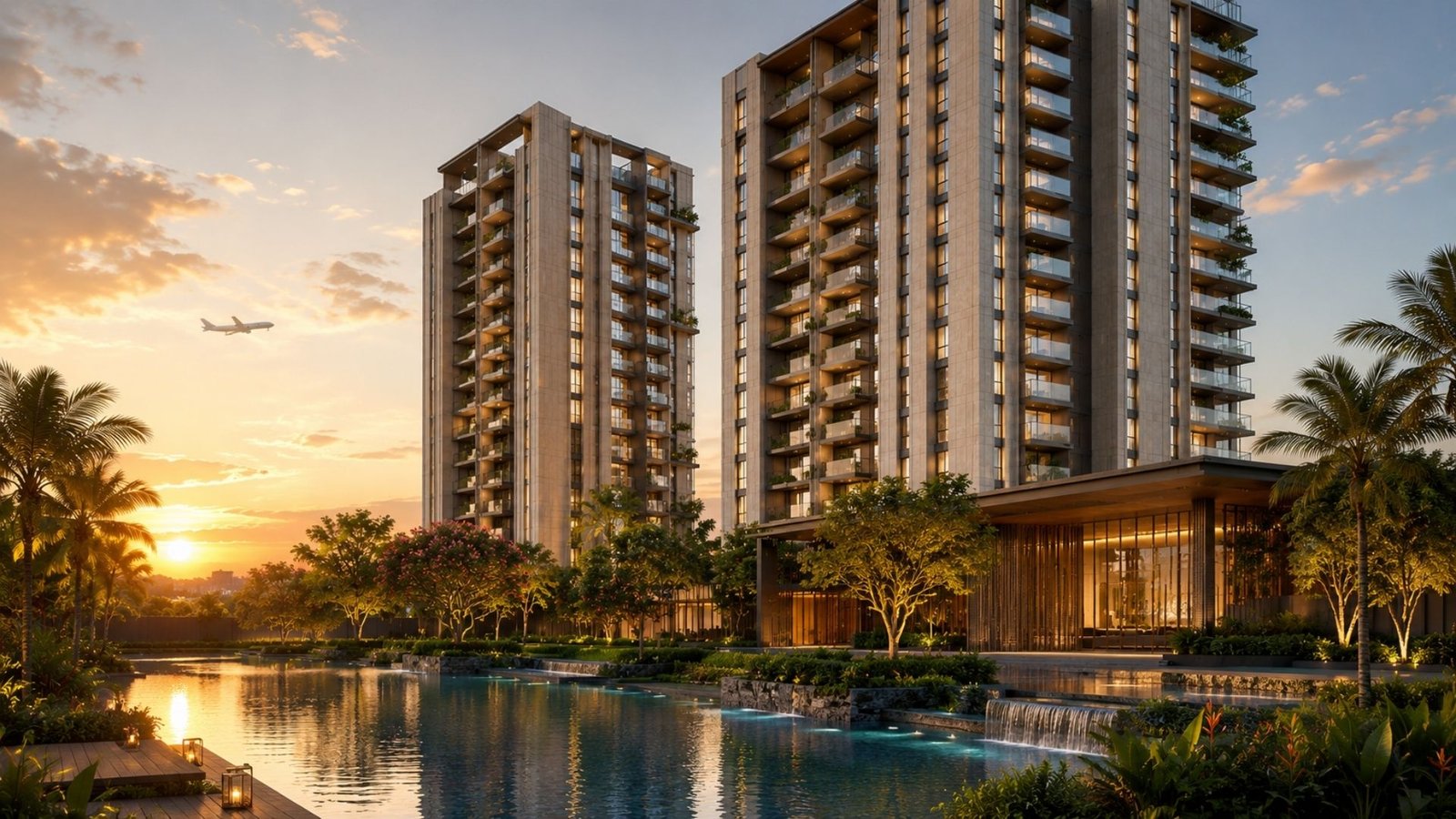 Mahindra Sadahalli
Bengaluru
From ₹1.4 Cr*
Mahindra Sadahalli
Bengaluru
From ₹1.4 Cr*
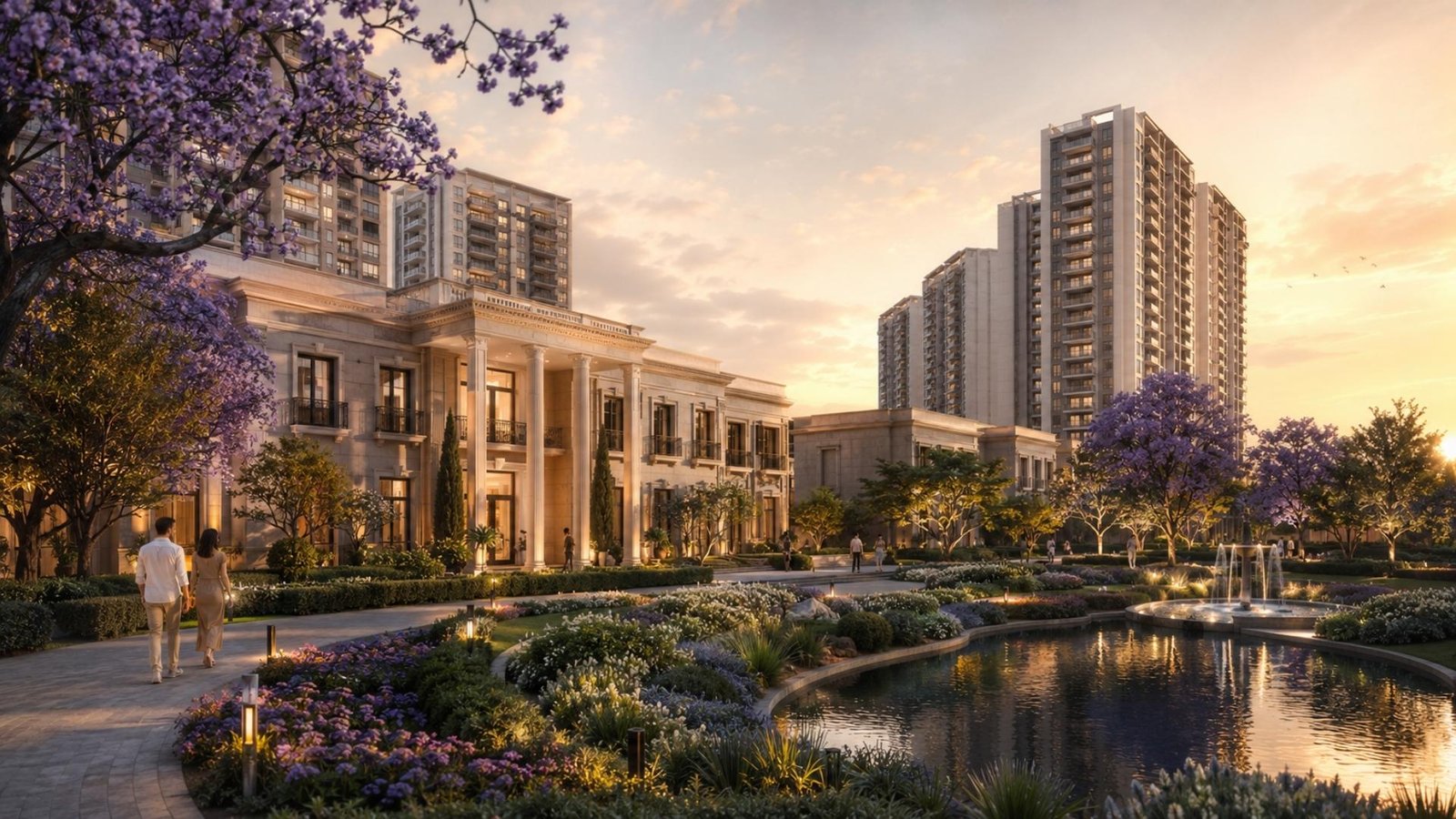 Nikoo Homes 7
Bengaluru
From ₹1.98 Cr*
View all projects →
Nikoo Homes 7
Bengaluru
From ₹1.98 Cr*
View all projects →Numerical illustration (realistic) — assumptions clearly stated
Assumptions: purchase price ₹1.00 crore; sale after 4 years at ₹1.50 crore; loan 75% = ₹75 lakh; borrower pays stamp duty & registration upfront ≈7.6% (Karnataka/Bengaluru typical); floating rate 8% p.a.; loan tenor 20 years (EMI amortised); brokerage on sale 1.5%; LTCG tax 12.5% (new regime for transfers on/after 23‑Jul‑2024). propwatch.in
Computed outcome (rounded): EMI ≈ ₹62,733/month; payments in 4 years ≈ ₹30.11 lakh; interest portion ≈ ₹22.9 lakh; outstanding principal ≈ ₹67.82 lakh. Sale proceeds ₹150 lakh less outstanding loan leave ≈₹82.18 lakh equity on sale. After brokerage (≈₹2.25L) and LTCG (12.5% of ₹50L = ₹6.25L) net cash ≈₹73.7 lakh. Upfront cash at purchase = down payment ₹25L + stamp/registration ≈₹7.6L = ₹32.6L. Net gain ≈₹41.1L over 4 years — a 2.26x multiple on cash and an annualised return ≈22.6% p.a. (not 4x). (Calculations shown above are illustrative and not guarantees.)
Costs and risks that reduce the simple story
- Interest expense and slow principal amortisation: early years are interest‑heavy; the example shows ~₹23L interest over four years, which cuts into returns.
- Upfront transaction costs: stamp duty + registration in Bengaluru are material (~7–8%). propwatch.in
- Taxes: long‑term capital gains are taxed under the new regime (uniform 12.5% on qualifying transfers), reducing net upside. incometaxindia.gov.in
- Market risk and timing: 15–20% appreciation may occur in micro‑markets or short periods, but is not guaranteed city‑wide; pockets outperform while others lag. colliers.com
- Liquidity and holding costs: vacancy, maintenance, escalation risk, and developer/delivery delays (under‑construction risk) matter for real investors.
Practical conclusion — what this means for an investor
Leverage can boost returns, but realistic LTV rules, interest costs, taxes and duties materially change outcomes. The corrected illustration shows approximately a 2.26x return on cash (≈22.6% p.a.) for the scenario given — attractive, but far from the ‘‘4x on ₹10L in 4 years’’ headline. Always verify lender LTV for your ticket size, run an amortisation schedule for your assumed tenor and rate, and factor stamp duty, brokerage and capital‑gains tax before deciding. This is analysis from the Key House Research Desk.
Sources
Find the right home in 60 seconds.
Seven quick questions. Zero brokerage. A RERA-registered advisor — not a call centre — calls you back within 30 minutes.
Get My Shortlist →Frequently asked
Can I get a 90% loan on a ₹1 crore property?
Not usually. RBI/HFC guidelines typically cap LTV at 75% for loans above ₹75 lakh; check your lender’s policy for exceptions. ([littdb.sfo2.cdn.digitaloceanspaces.com](https://littdb.sfo2.cdn.digitaloceanspaces.com/litt/IN/RBI/notifications/RBI_12939.html?utm_source=openai))
Why did my interest expense look bigger than expected?
Early EMI years mostly pay interest; with multi‑decade tenors principal amortises slowly, so interest paid in first 3–5 years can be large.
How is capital gains taxed when I sell after 4 years?
If held >24 months the transfer is long‑term; under the post‑July‑2024 regime LTCG on immovable property is taxed at a uniform 12.5% (no indexation benefit for transfers on/after 23‑Jul‑2024). ([incometaxindia.gov.in](https://www.incometaxindia.gov.in/w/capital-gain?utm_source=openai))
Does a 15–20% local price rise guarantee the return example?
No. Micro‑markets can see rapid gains, but city averages vary. Always stress‑test for lower appreciation, higher rates, vacancy and additional costs. ([content.knightfrank.com](https://content.knightfrank.com/research/3116/documents/en/india-real-estate-office-and-residential-market-h1-2026-12927.pdf?utm_source=openai))